My son yanked me with surprising force from the gift shop inside the Japanese park we’d wandered through. We had already visited the feudal lord’s quarters, and we had a short break in the 90+ degree heat. I was hoping that all the flowers I spied in the distance were part of the tour. Japanese gardens have long given me immense pleasure; the first I’d seen when I was about Aidan’s age, though in the Brooklyn Botanical Garden, not actually in Japan as we were this day.
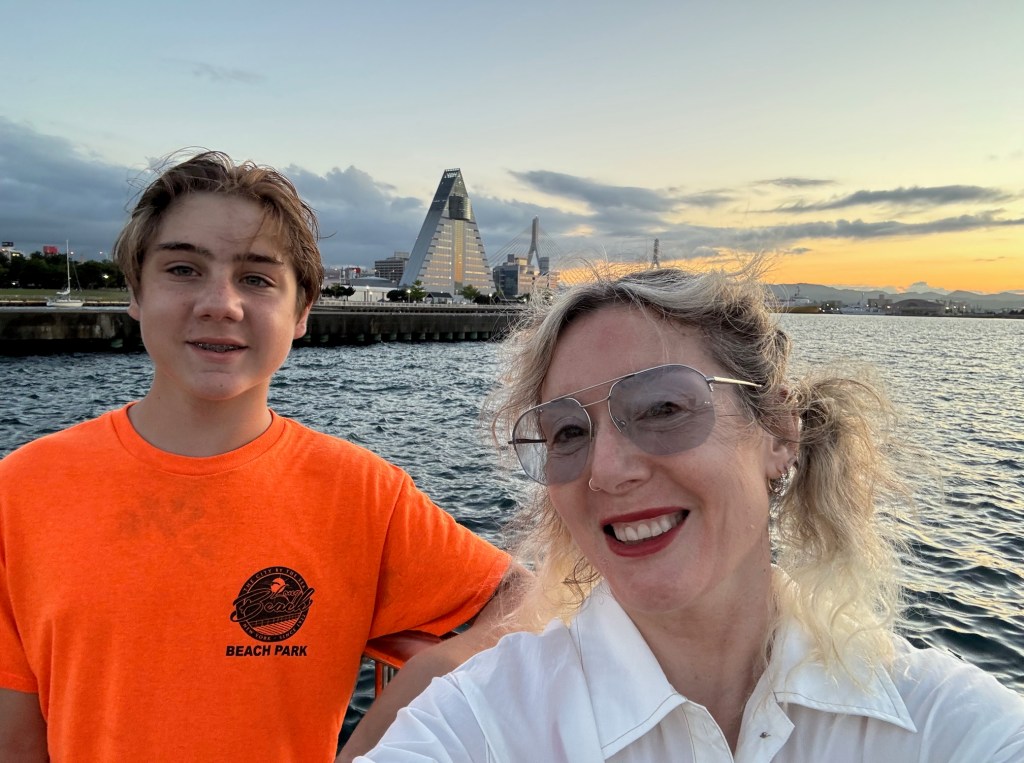
The trip was a dream come true for me, to see Japan and to be exploring with my lucky, beautiful boy. At 15 I did get to go away for two weeks to a free arts camp for gifted students at a university, and the reprieve from farm life, chores, and my ever-explosive parents was a great vacation, as was the exposure to people a bit more like me than lived in the rural community we’d moved to when I was in first grade. I didn’t make lifelong friends at that camp, but I did have my first taste of popularity when I did some physical comedy I had specialized in my mind prior to debuting live.
But I digress. Aidan never seems to take for granted the huge privilege he’s enjoyed as a white, upper middle-class child of intelligent, adventurous parents. Oh how I cherish the memories of the tears of joy welling in his eyes when I chose just the right gift, or the contented smile when I surprised him with a funny t-shirt I thrifted, or the sheer happiness he expressed at various events and shows we’ve taken him to over the years. Two years ago, when we went to the Galapagos (see my other OT column for more observations about that trip), he was game for all the excursions and thrilled, as we were, to experience a land so foreign and previously out of reach, it might as well have been Mars.
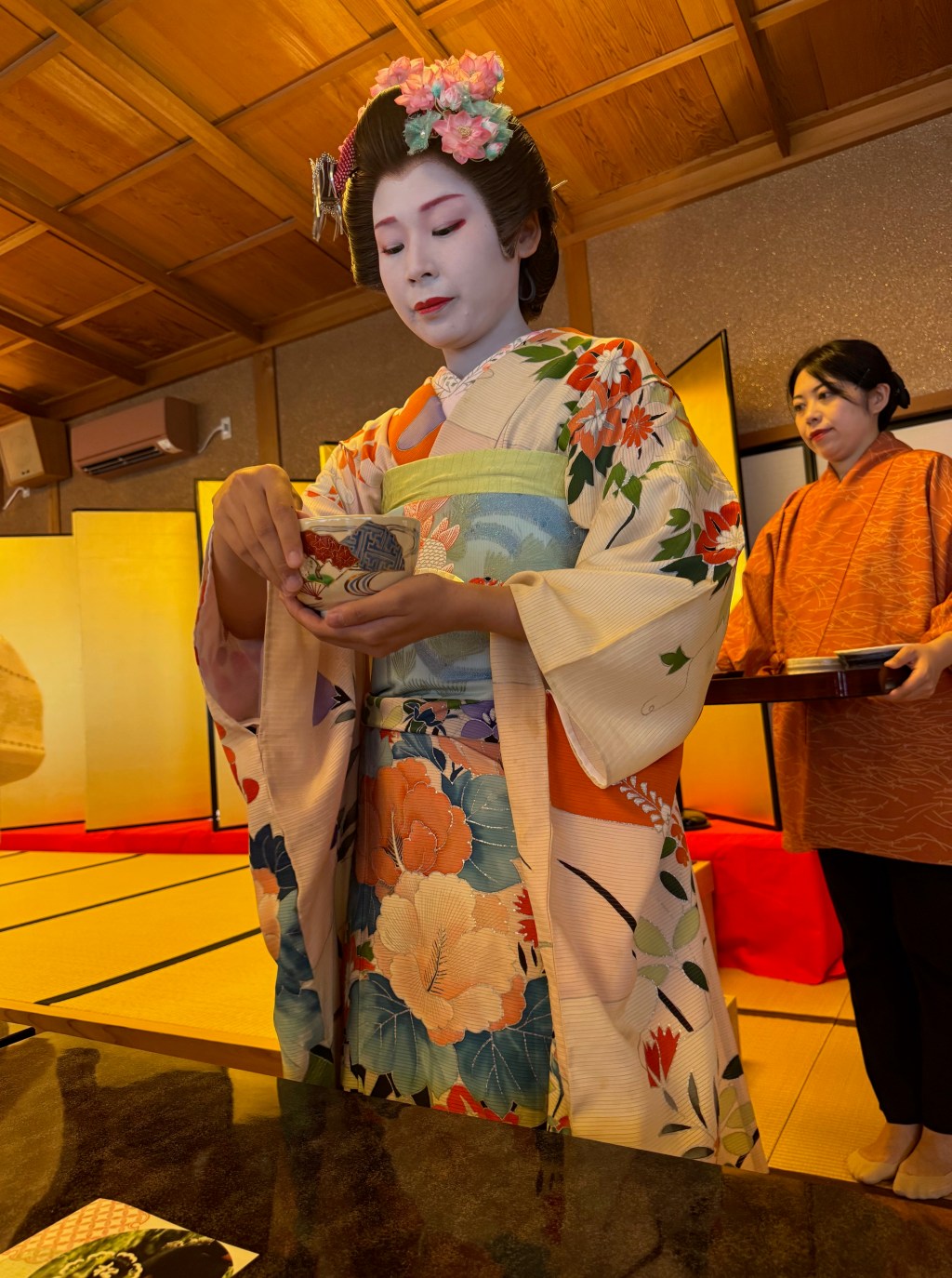
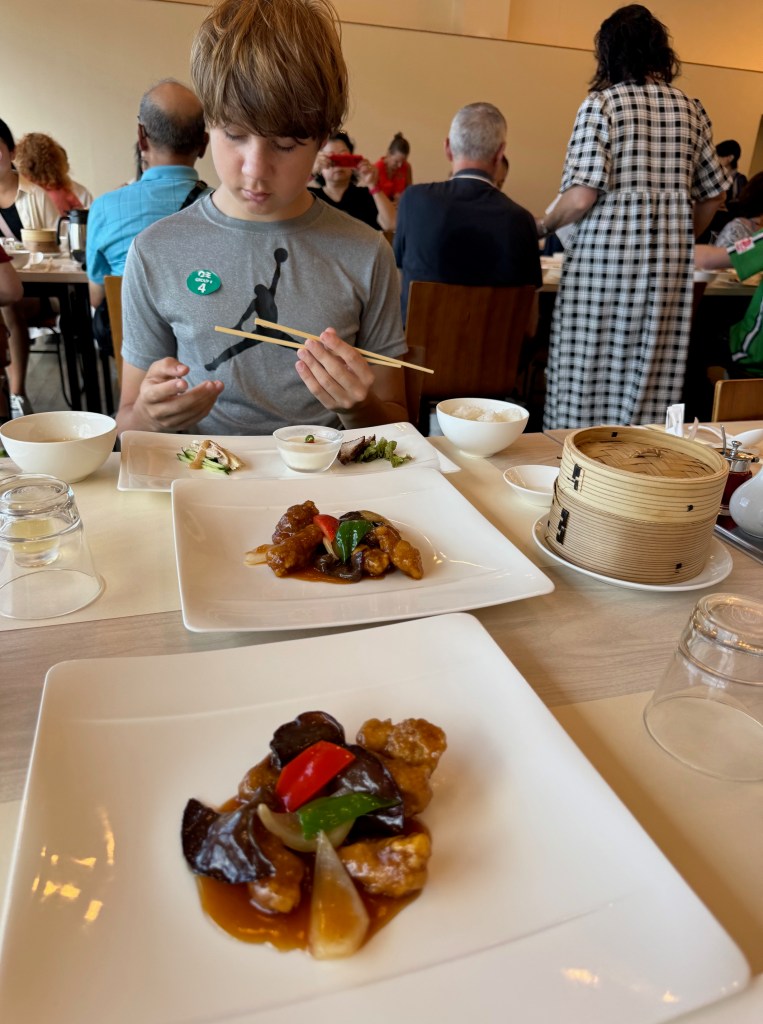
And in Japan, he had already shown he was willing to try new things, like eating rice (at all) with chopsticks, vinegar-infused yuzu juice, sushi, and new, gooier preparations of pork. He even had a full cup of matcha freshly prepared by Maiko dancers, and sampled the loveliest, smoothest miso with aged black vinegar. We shared private jokes and took each other’s pictures.
And now he was sad and angry. Or maybe just hot and grumpy. It’s hard to tell sometimes, with teenagers. We had a break before leaving for the next part of the tour, and the shop was air-conditioned. What was I missing? The next day or so, we barely communicated.
Apropos of nothing and everything, somewhere I have a shirt, purchased at the Association of Writers and Writing Programs conference, which says something like “I’m a writer; anything you say may end up in a story.”
The universal language, for she (me) who travels far and wide, is shopping. In doing so, I’ve met many interesting people, in some cases staying connected with them via social media and referring friends to them for years to come. My clothing and jewelry tell stories of where I’ve been. I remember the prices I paid, the discussions with the shopkeepers, and then, later, the experiences of wearing the clothes and where I am when I receive compliments about them. The mementos and art I bring home, especially if bought secondhand (the thrill of the find!), help me to call back these experiences fondly, as the word souvenir means. Ask me about the masks I bought in Tanzania and I’ll describe the smell of the shop. Admire my dress and I’ll tell you what day of the week it was and what region of Italy the market was in. For my book club, I bought lovely ornate bookmarkers in South Korea — only ones I myself would like – and I’ll recall the older lady that sold them to me, surprised and grateful I was buying so many.
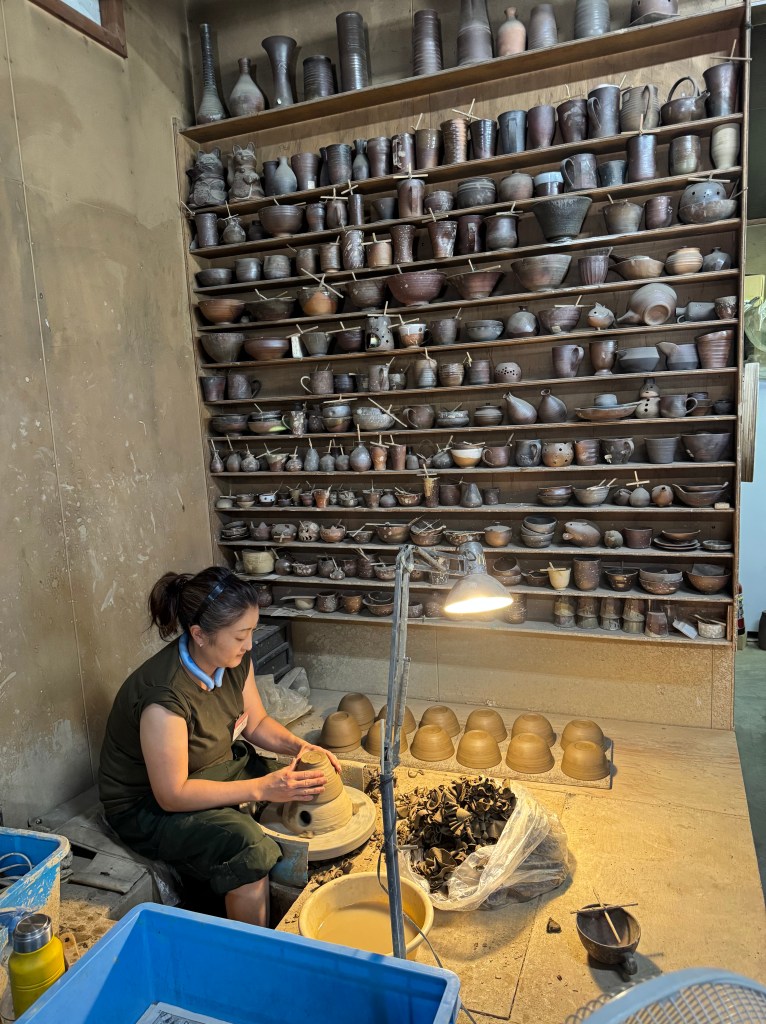
Admittedly, when we moved into our big house during the pandemic, I got so excited about shopping for it, I overcompensated. I made friends with a thrifting family from Arkansas and after restrictions lifted, met them in person. I must’ve singlehandedly kept several small thrifting or consignment businesses afloat from afar. A year or two later I lost weight, and, well, shopping for new clothes is fun regardless, but it’s easier to find flattering clothes when you don’t have rolls and lumps. I bought a lot of clothes, and I already had a lot of clothes, and I bought a lot of vintage décor, and I already had a lot of vintage décor. What can I say, we have two houses’ worth of stuff there now. I am very slowly trying to pare down my wares. But don’t ask me to not shop in Japan or buy Popmart figures in Korea! No!
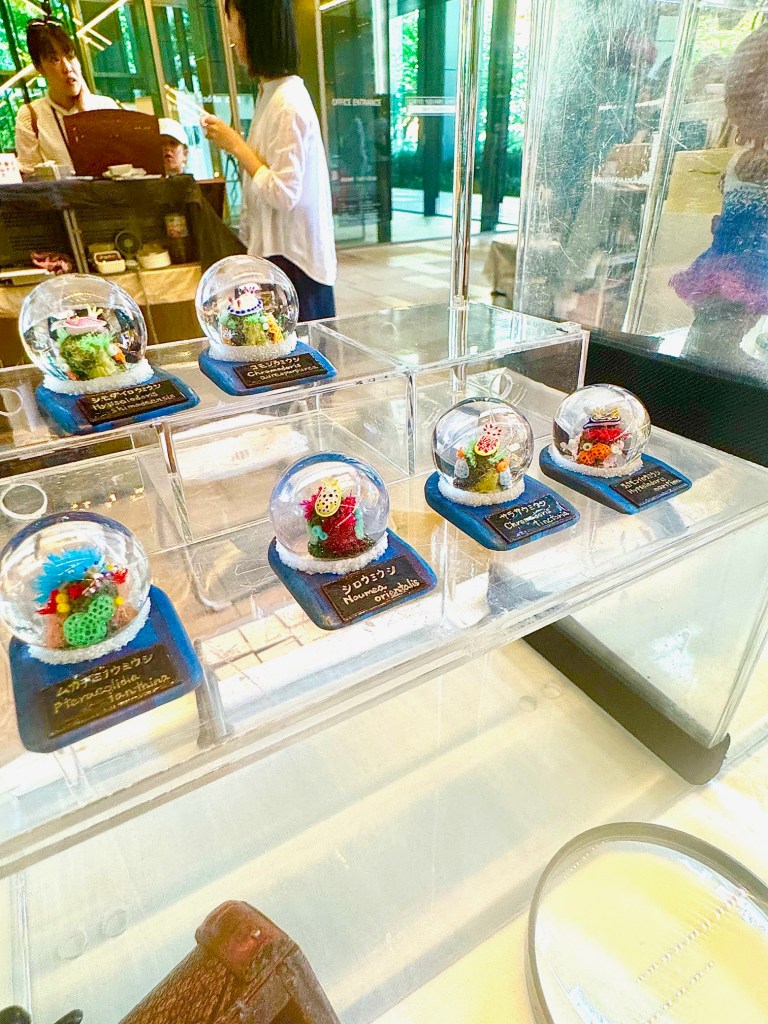
The artisan fair near our hotel in Tokyo – there was a lady who charged something like 10 dollars for a beautiful painting she had signed and referred to simply and demurely as “Japanese art,” without taking credit for it, as though she weren’t the artist, but rather a part of a collective culture that had created her piece. Another woman made small bags out of silk scraps, and I debated for 10 minutes about which one to buy, afterward redoing the Yen math and realizing they were only about $2.50 each! There was, too, a very elderly gentleman who carved animal puzzles from small blocks of wood, charging around $6 for the elaborate and beautiful pieces – and a young lady who made flip books, with whom I spoke for 15 minutes about, well, flip books. Or the woman who spoke exactly zero words in English who made miniature faux aquariums with colorful anemones and kelp that looked absurdly real, though only about an inch high… and the list goes on.
I regret not buying so many things. And so many things, I suppose I do eventually regret buying. But on trips, no matter what, the joy in (re)collecting, or in finding things to gift that we simply can’t discover close to home – I find that to be money well spent. It’s a form of social media for me. A way to journal in three dimensions. I will describe for you my journey; just look here on this shelf.
Comedians regularly berate selfies and photographs as souvenirs. Just the weekend before I penned this column, Tom Segura advised using our “brain machines” to record the experience, rather than our phones. But don’t the phones help a little? And so, too, don’t the physical mementos?
Atop a mathematically organized, flowered hill in a different Japanese prefecture, Aidan and I talked out our disagreement. I’m not sure he understands my “need” to shop, since he’s never wanted for anything. And I know he didn’t mean to disrespect me; I’ve raised him to speak up, share feelings, etc. I get that he may have thought I was overly preoccupied with visiting every shop I encountered (which I’d do again, and then some). Ideally, we will strike a balance between merely shopping for the sake of spending money and shopping together, as an experience, to find souvenirs – ephemeral as they may be – that help keep the memories of our time together somewhat within reach.
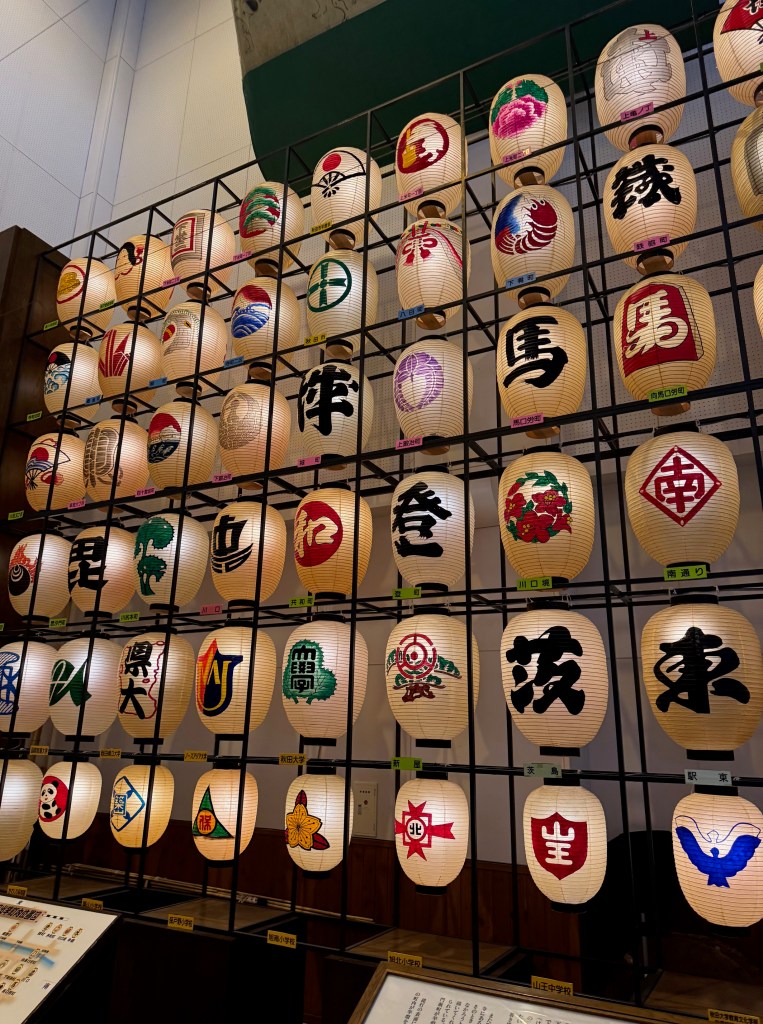
There are so many other things I left Japan with, besides the whimsical trinkets and bright kimonos. I was an amateur sashite for a few minutes, learning how to balance a kantō during the Akita Lantern Festival. One middle-aged tour guide inspired me so much with her joke telling that I vowed to reconsider a comedy class as soon as possible. During our cruise, I followed an elderly Japanese woman around the boat, desperate to absorb some of her elegant aura. I went to shows with Aidan and then we’d watch tv in bed at night or order room service. The incredible Aomori Nebuta Festival, and its overwhelming parade in sweltering heat and stagnant crowds, the reserved (and unwavering) kindness of the Japanese people… ultimately, these are my souvenirs, I write, eyeing the Labubu clipped to my bag.


Leave a Reply