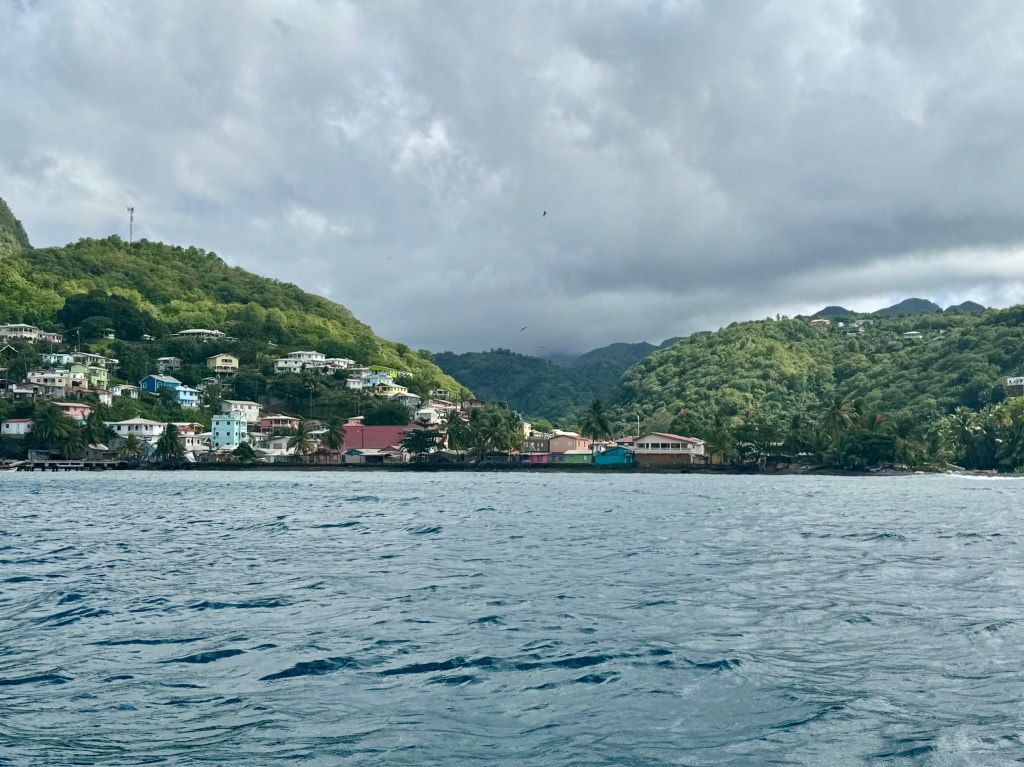
I’ve been fortunate to make a few visits to various islands of the eastern Caribbean, U.S. and British Virgin Islands, French-governed and independent countries.
Blatant stereotype: the vast majority of people in that part of the world get by on love, sunshine, and reggae.
The water is so clear in most places that you can swim far into the deep without questioning what creatures may lurk beneath the surface, though the scariest usually aren’t found in those waters.
When I was four and my mother was pregnant with my sister, we took a trip to St. Thomas, probably chosen because it is my father’s name. The “Thomas,” part, not the “Saint” one, to be clear. I wonder if this is what ignited my love for the tropics; it could’ve also been the winters growing up in Arkansas where the only warm spots were near-direct contact with the woodstove or buried under 50 old blankets. It must have been an upper class thing to do in the 70’s, but, since we became poor shortly thereafter, I’m glad my mother got a babymoon, as I’m certain she had none when I was incubating — and wouldn’t have a real vacation for another 45 years.
I remember looking up at bananas growing. I remember johnny cakes, poor man’s zeppole, sold on the side of the road. I remember being in a sugar cane field and sucking luxuriously on a stalk. Sugar was a huge export on many islands a few decades ago before hurricanes ravaged, tourism soared, and labor costs without advancements in mechanization outweighed benefits. Plus, the US now has states that are producing both cane and sugar beets (because we need more GMO products, so why import from places that don’t believe in that?) The cane is still grown, but on most islands in the Caribbean, export and import are usually small-scale and restricted to nearby island nations.
You can’t find johnny cakes as readily in St. Thomas as you could in 1976, but they are still a staple at home there. Plentiful and varied fish, chicken, and a climate that allows any fruit or vegetable to prosper make for healthy eating, always with local beer or rum. Each island has its national dish, with St. Thomas’ being fish and fungi (foon-jee), the latter of which isn’t mushrooms but rather a cornmeal porridge. I’m a big fan of the conch fritters there, and of the ubiquitous and delicious hot sauces.
St. Thomas does have rainforest areas, but strangely, no monkeys like some of the other nearby islands. It’s hard to believe that a Noah’s ark-type couple didn’t hitch a ride on a boat at some point and take over all of the Caribbean, given the lush landscapes on most of it.
Recently, I met an older woman named Rashida there. She sat close with me on my lounge chair, and we talked politics for over thirty minutes. She was worldly and well-traveled yet had that Island wisdom of someone who might’ve sprung up from the earth itself or been born from an avocado flower. I felt we were meant to encounter each other.
The greatest commodity on St. Thomas, in my opinion, besides wonderful people like Rashida, is the water. The lack of recently active volcanoes means the beaches are sandy, not pebbly, and the water is the perfect temperature, seemingly at any time of the year. Having been to four or more beaches in disparate places around the island, all are enjoyable, though some busier and crowded, with others you’ll practically have to yourself after paying a small entry fee. The snorkeling is good everywhere.
St. Thomas would be worthy of lengthy exploration – or even a pied a terre – but hopping nearby is fun, too.
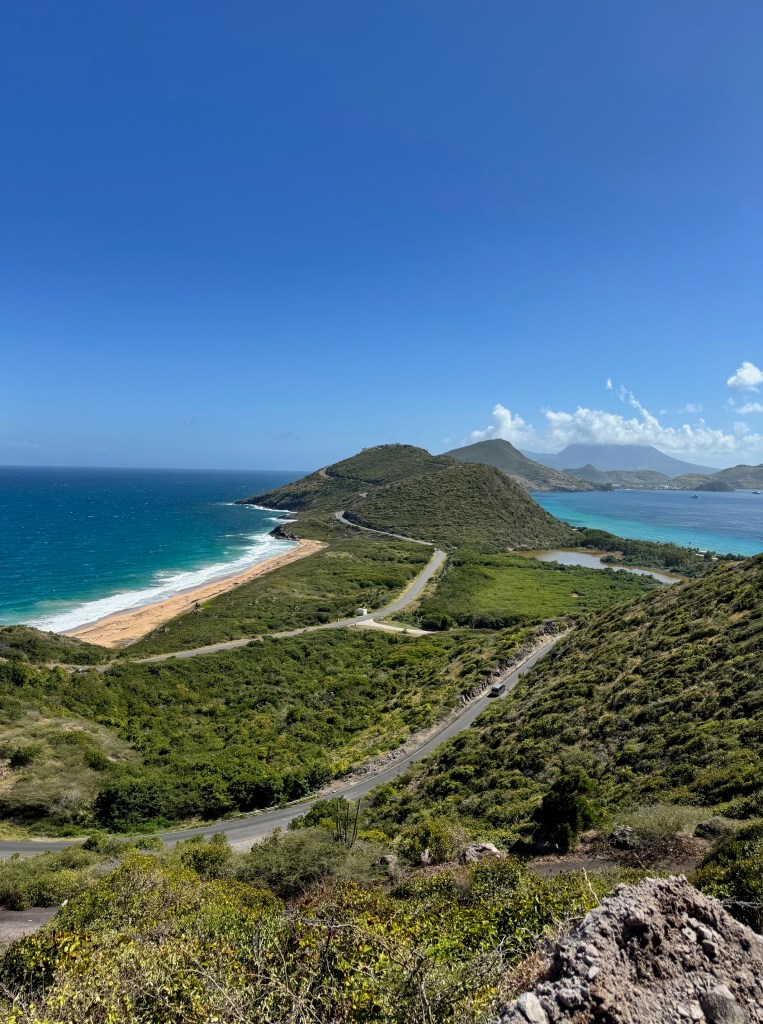
In St. Kitts, monkeys abound and the vibe is different, with more open spaces and a popular lookout point over a nexus of the Atlantic Ocean and the Caribbean Sea. One side of the island, where more tourists go, looks like barren hills descending into clear waters; the other is lush and green and full of (green) monkeys; more inhabit the island than people.
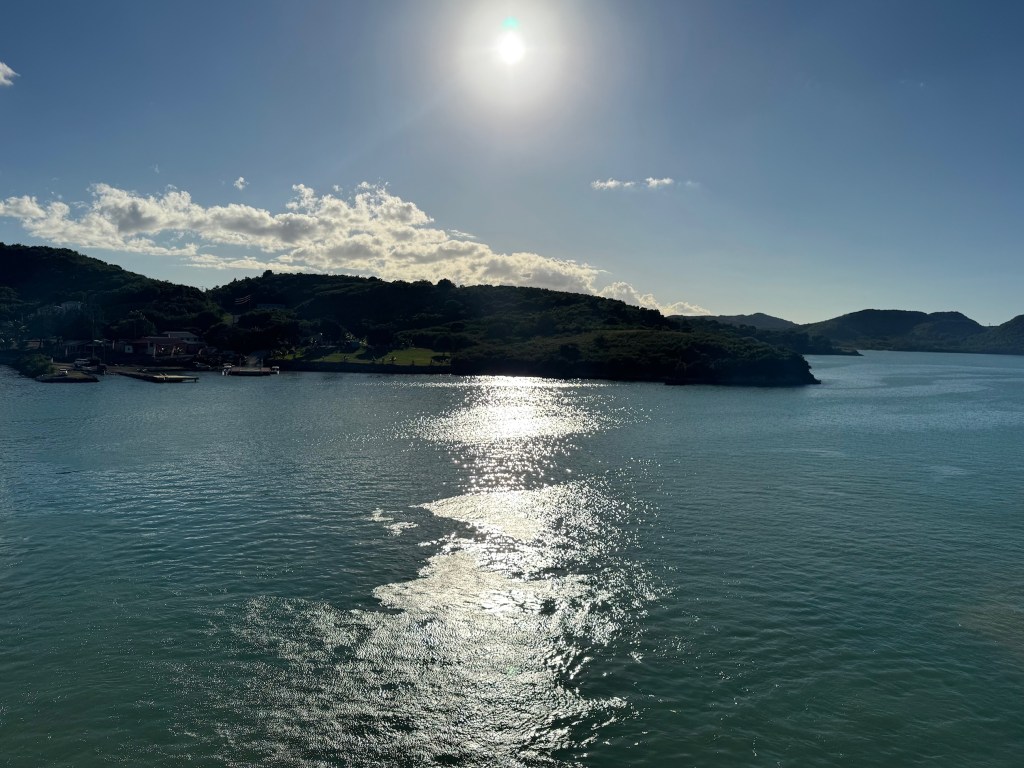
St. Maarten is a wonderful place to get a boat. The water taxis will jet you around quickly and inexpensively, and if you’re looking for a leisurely tour, there are catamarans for sightseeing and snorkeling, and other types of boats for dinner cruises. Offering a duo-culture experience from its Dutch and French sides, it’s a nice little twofer with something that will please everyone.
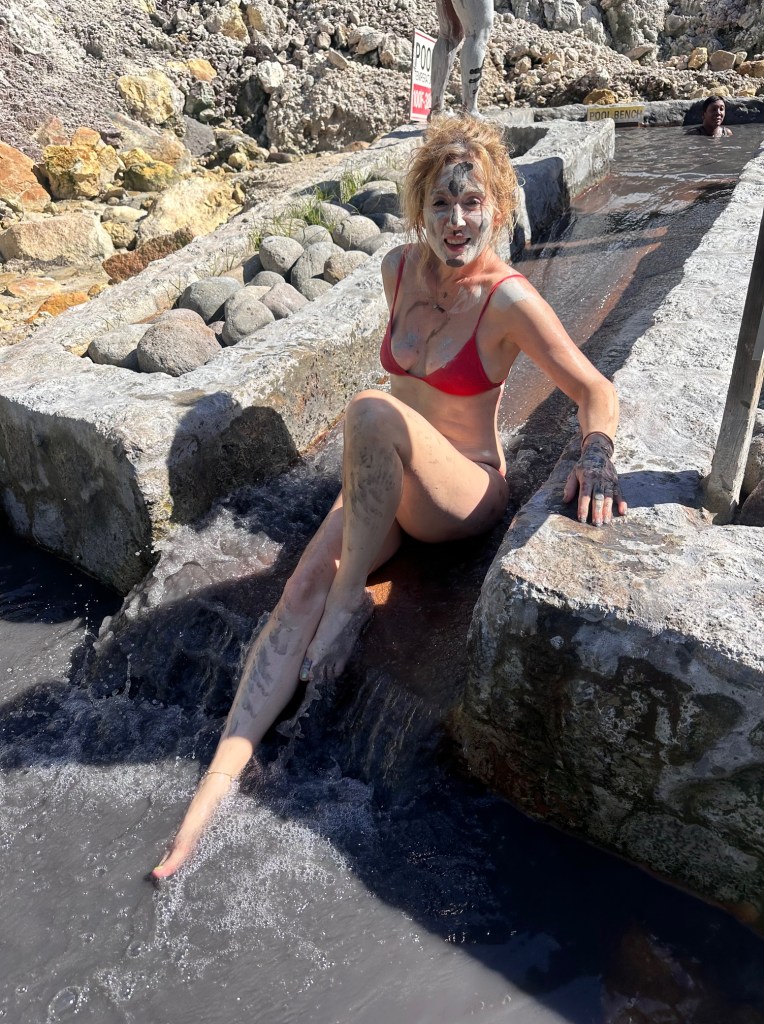
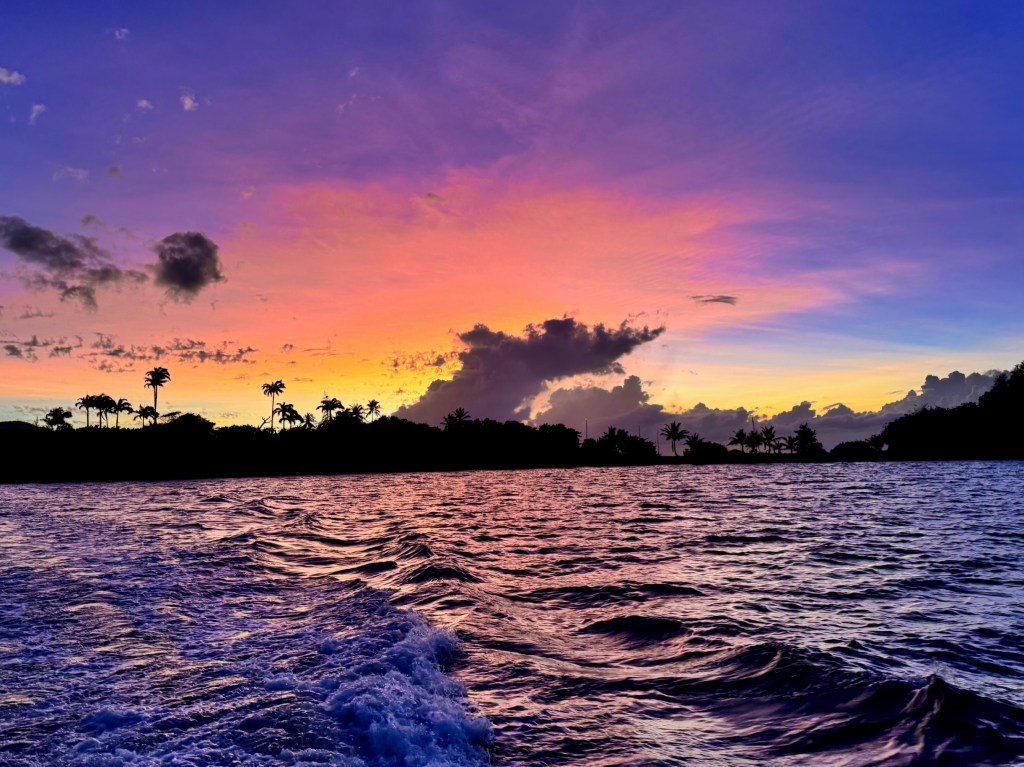
St. Lucia looks like a version of Hawaii that Bob Marley would’ve lived in. Its cliffs are stunning, and movies such as Pirates of the Caribbean were, in part, filmed in some of their many coves. Caves along their base dot your sightline from the water, and the view of the Piton mountains (named somehow for two large breasts, as I recall). Green fig and saltfish is the national dish. The figs are actually bananas, and they’re delicious. The dormant Sulphur Springs volcano is a tourist draw (public baths in sulfur-y mud for its healing properties) and a source of sulfur for small-scale production of soap and beauty products. The island yields a rich and fruitful soil, and trade of produce and fish to nearby islands is, again here, common. While tourism is increasing and expensive resorts do captivate famous people in exclusive hideaway lofts, much of the island is an affordable paradise. (So much so that, at my next writing of St. Lucia, I may be a resident.)
A quick ferry ride will bring you to nearby islands, the closest to St. Lucia being Martinique. Typically, the ferries go between only the like-governed nations; three systems manage Guadeloupe & French Antilles, U.S. & British Virgin Islands, and lastly, the few others excluding Barbados, which is too far east for safe voyages by ferry.
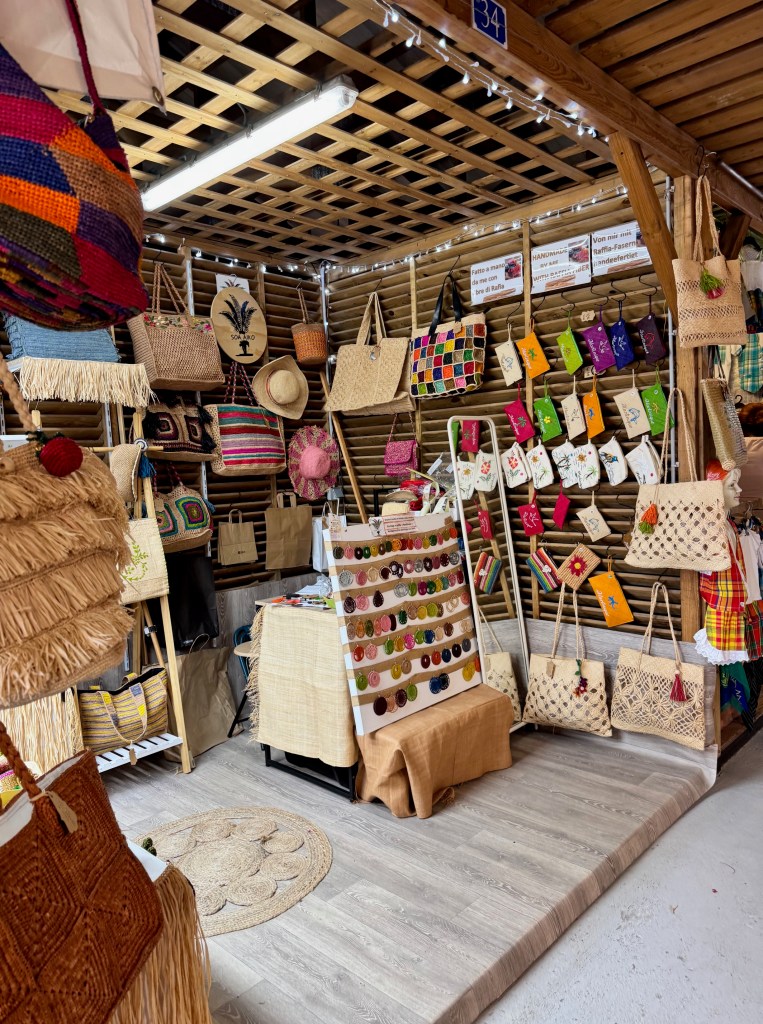
Dominica is an unsung hero and one of the poorest in this region, as fewer boats and planes arrive there. It hosts nine volcanoes, some of them active, and has a population of a mere 70,000 and a river for every day of the year. In fact, it is the only Caribbean island with a river running through its capital town (Roseau), and beautiful waterfalls aplenty. Residences are not allowed at the top of any falls due to concerns about water pollution. Middle income two- and three-bedroom houses built into the side of the hills (think poor man’s Amalfi coast) all boast glorious views for around $100K. It has the landscapes of several regions at once, and with daily rainfall and gluttonous loam from all the volcanic ash and sulfur, it’s impossible for flora of all kinds not to flourish. The town of Roseau is named for one of the happy plants there, a tall weed grass that might be invasive if it weren’t utilized efficiently by locals for weavings, rope, and even furniture. In 1.5 hours, you can hop over to Guadeloupe on the ferry. If I don’t end up in St. Lucia, I may next write you from Dominica. Or any of the other islands mentioned, or several others I didn’t.
Like calling people from the East, categorically, “Asians,” I’ll admit it’s a little silly to classify these islands together, as they in many ways are so very different. As mentioned, they all have official dishes and songs, and residents have their own unique philosophies, national loyalties, and points of pride.
Comparable among them, though, is the lack of speed or attention to time constraints. Yes, “Island time” is a real thing. On one stop, we nearly missed our cruise ship’s departure because Jesse, the director of our tour, didn’t seem to understand the concept of our very fixed deadline. (Is there a superhero opposite of Doctor Strange? That would be Jesse, if so.) Food is served when they’re good and ready with it, so hopefully you’re not starving when you order. Drivers say they will come back to get you, and they will, but much later than you need or asked them to. It might be better to catch a ride with anyone else that shows up in the interim. Chances are, he knows the other driver and will share the tip.
Just as I’ll share this one: go to the islands. Take your time. Enjoy the love.


Leave a Reply